


Autumn Cherry Tree - 'Autumnalis'
Couldn't load pickup availability
Shipping
| Bloom Color: | White with subtle shades of pink |
| Bloom Period: | Early spring |
| Fall Color: | Light golden yellow |
| Foliage Color: | Emerges bright green and darkens with age |
| Genus & Species: | Prunus subhirtella 'Autumnalis' |
| Growth Rate: | Fast |
| Mature Height: | 25 to 35 ft. |
| Mature Spread: | 25 to 35 ft. |
| Soil Type: | Well drained soil rich in organic matter |
| Sun Exposure: | Full sun; Partial sun |
| Zone: | 5 to 8 |
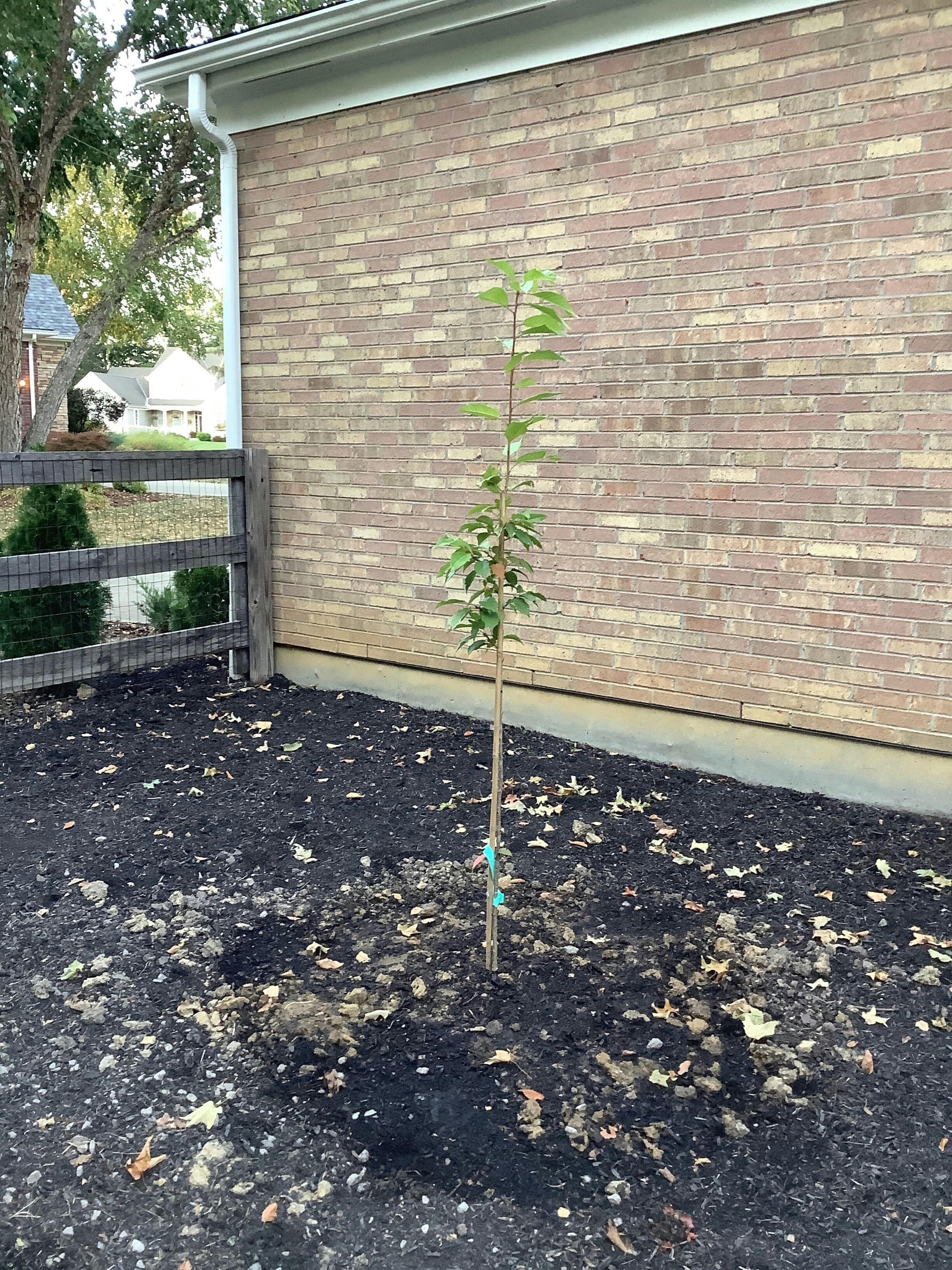
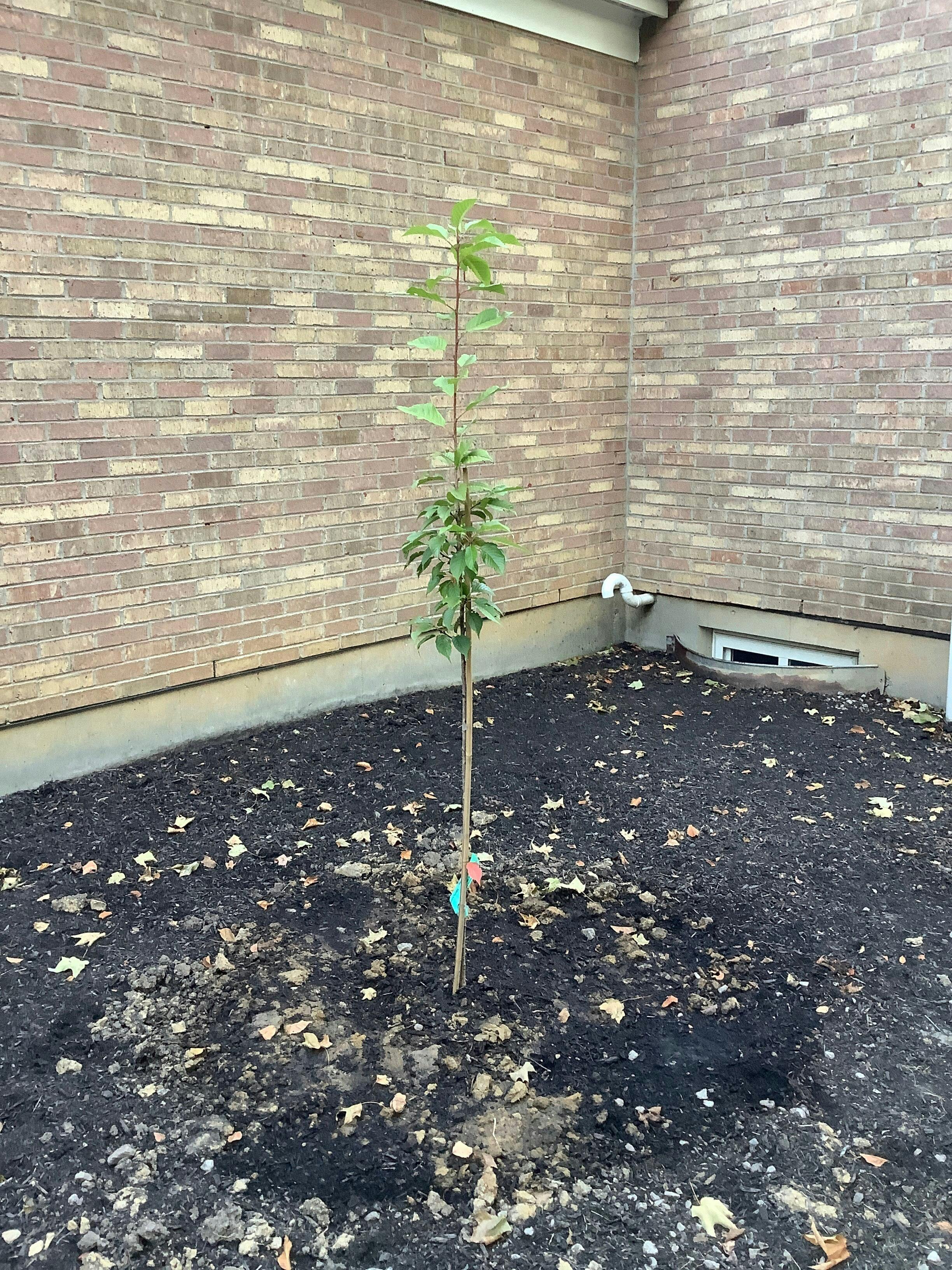
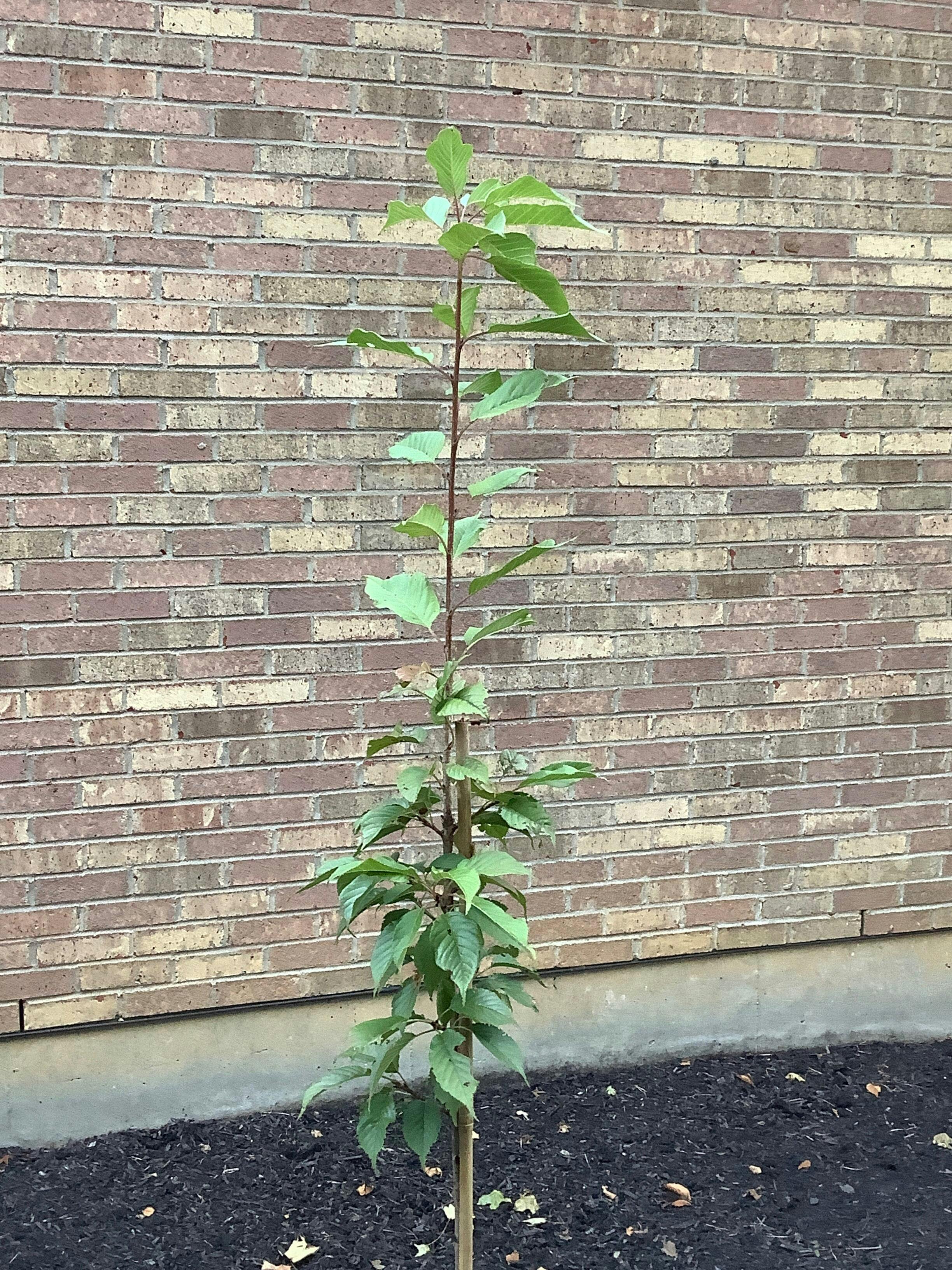
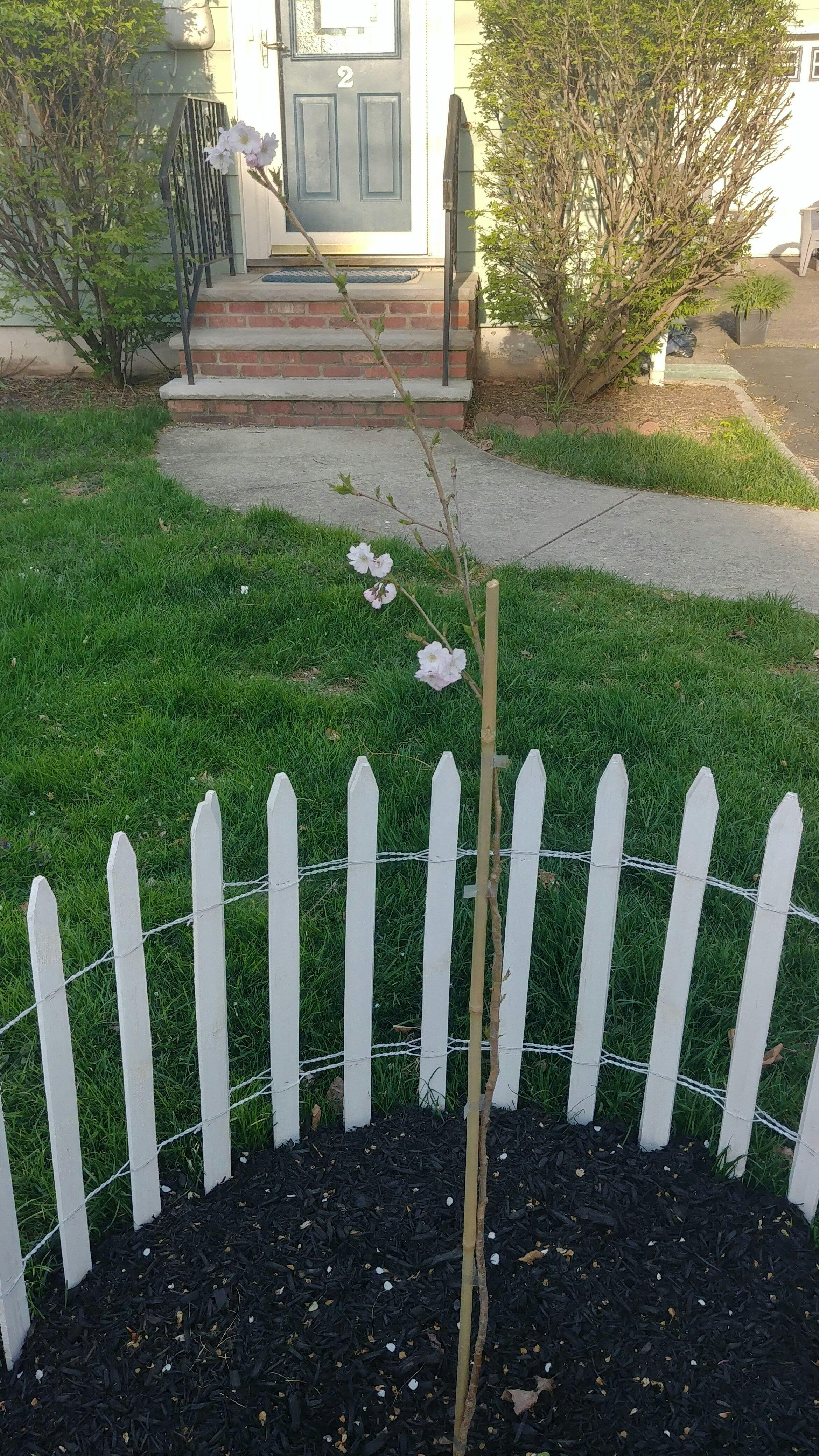
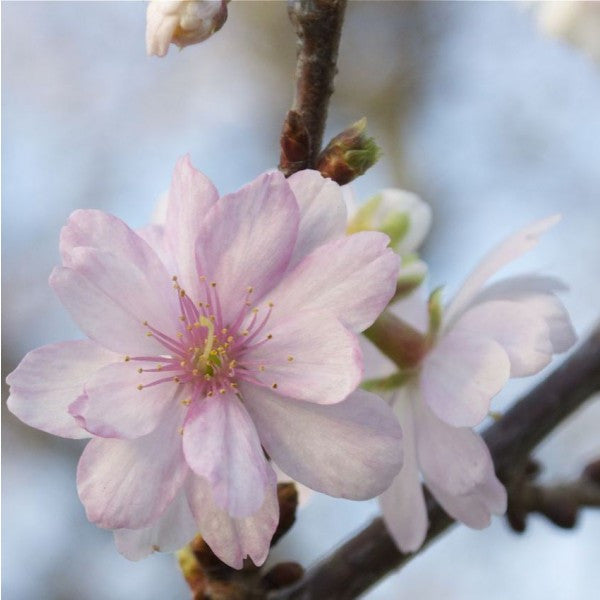
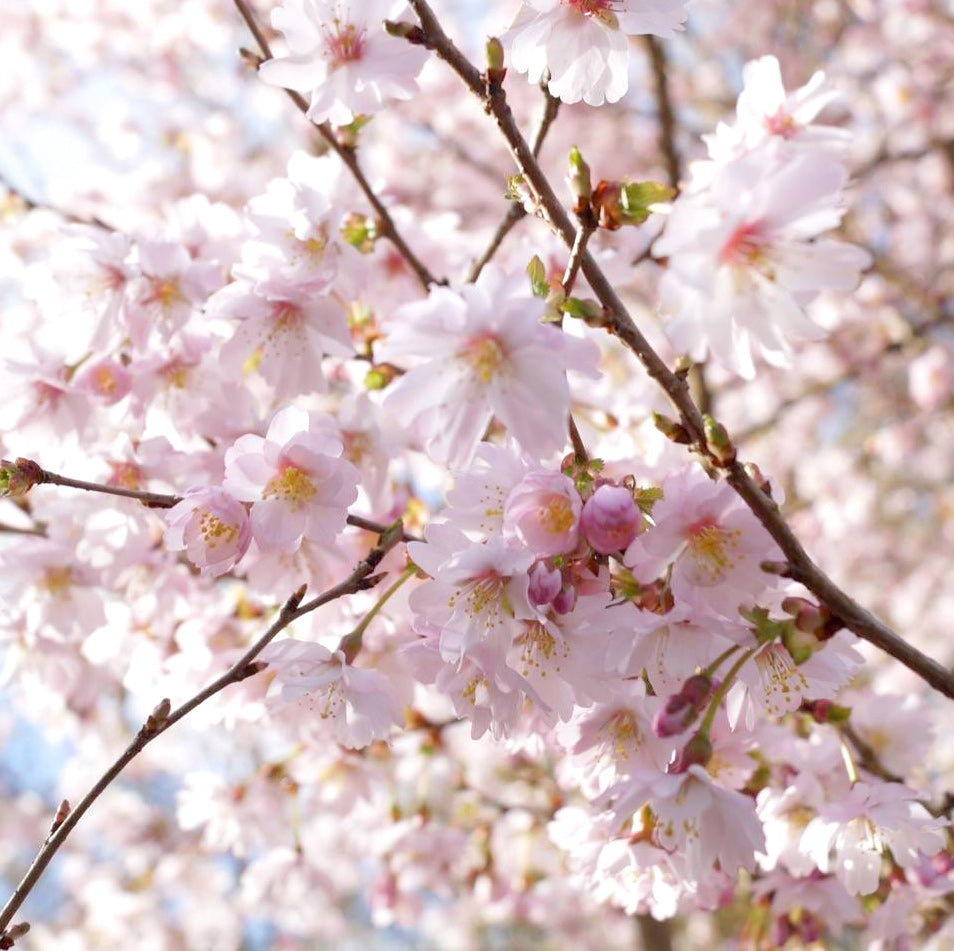
The Autumn Cherry delivers what most flowering cherries can't—blooms when the rest of the garden sleeps. Semi-double flowers emerge pink from rose-pink buds before fading to white, appearing sporadically during warm periods from November through early spring, then putting on a heavy show in March before the leaves emerge [1]. The display spans the longest flowering period of any cherry by a huge margin, though individual blooms are never particularly spectacular—instead, think of a gentle sprinkling of delicate flowers rather than the explosive clouds of Yoshino or Kwanzan. This graceful tree grows 20 to 30 feet tall with an upright-spreading to rounded crown, displaying small, bronze-tinted leaves that mature to medium green and turn yellow in fall [1]. Small black fruits follow the spring bloom, though they're not ornamentally significant [3].
The Autumn Cherry is a naturally occurring hybrid from Japan, thought to be a cross between Fuji Cherry (Prunus incisa) and Prunus spachiana [4]. The tree lives longer than most Japanese ornamental cherries and tolerates summer heat and winter cold better than many flowering cherries [1]. Hardy in zones 4 through 8, it performs best in full sun and moist, well-drained soils, though it adapts to various soil types [3]. The National Park Service notes that approximately 3% of the cherry trees in Washington, D.C.'s West Potomac Park are Autumn Cherries [5].
Those winter blooms provide valuable forage for winter-active bumblebees when few other nectar sources exist. Early-emerging queen bumblebees and other pollinators visit the flowers during mild spells, making this tree an important bridge for pollinator nutrition between fall and spring. The small black fruits attract birds, and like other Prunus species, the tree provides habitat value even when not in bloom [2]. While this cherry won't support the 311 Lepidoptera species that native Malus (crabapples) host or match the wildlife value of native cherries like Prunus virginiana, its extended bloom period fills a critical gap when little else flowers. Plant Autumn Cherry where you'll notice those sporadic winter blooms from a window or walkway—the tree rewards attention during the garden's quietest months.
[1] Missouri Botanical Garden. Prunus subhirtella 'Autumnalis'
[2] NC State Extension Gardener Plant Toolbox. Prunus x subhirtella 'Autumnalis Rosea'
[3] University of Florida IFAS Extension. Prunus subhirtella 'Autumnalis' 'Autumnalis' Higan Cherry
[4] Wikipedia. Prunus × subhirtella
[5] National Park Service. Types of Trees - Cherry Blossom Festival
General care for any tree or shrub is easy, but like any living thing will require your attention. Please educate yourself and follow these simple rules.