


Flame Thrower® Redbud
Cercis canadensis 'NC2016-2'
Mature Height: 15-20 ft.
Mature Spread: 15 ft.
Couldn't load pickup availability
Shipping
| Bloom Color: | Purple/Pink |
| Bloom Period: | Early spring |
| Fall Color: | Yellow, red, and orange with shades of green and orange |
| Foliage Color: | New growth emerges red and chartruse and darkens with age. Up to five colors on one branch |
| Genus & Species: | Cercis canadensis 'NC2016-2' |
| Growth Rate: | Moderate |
| Mature Height: | 15-20 ft. |
| Mature Spread: | 15 ft. |
| Soil Type: | Adaptable to many soil types, including wet soil, but prefers moist, but well draining soil that is rich in organic matter |
| Sun Exposure: | Full sun, partial sun, partial shade |
| Zone: | 5 to 9 |
Introduced in 2020, this tree is spectacular! A cross between the burgundy colored and golden redbuds, the Flame Thrower® displays up to five colors (burgundy, red, orange, yellow, lime) of foliage on each branch. The size of the Flamethrower is similar to that of the rising sun, keeping it small, topping out at 15 to 20 feet high and 15 feet wide. Like most other redbuds, it is a low maintenance tree and can tolerate full sun with minimal leaf scorch, but does best in morning or afternoon sun.
The Flame Thrower Redbud is similar to the rising sun, but larger in stature meaning that it is more useful as a single specimen in a garden bed or yard and that the canopy or structures will play more of a role in selecting a planting location. With it's multitude of bright yellows, reds, and oranges, the flame thrower pairs well with the solid deep greens of hostas, perennials, boxwood, grasses and ferns when in a garden bed, or as a single tree with natural dark brown mulch and elements of hardscaping. Given that it is even more audacious than the Rising Sun, we recommend pairing with companion plants that bring in greens and other neutral colors, which frame the flame thrower in the landscape. The Flame Thrower is a native cultivar, and pairs well with other native perennials when the goal is a native North American garden.
Proper fertilization is also important. The more new growth on the tree the more color you will see - you can find more information about how to plant and fertilize on the tab labeled "Care" below.
General care for any tree or shrub is easy, but like any living thing will require your attention. Please educate yourself and follow these simple rules.
Redbud Trees
Redbuds are an amazing and varied species of tree. General care and soil requirements are the same, although light and temperature requirements will differ based on cultivar. We sell our redbuds bare-root, we've sold thousands of redbuds this way with few problems, but they will be lightly rooted when you get them. This means your number one priority should be getting the roots established. Do this by planting early in the spring (or fall if you are zone 7a or south) and caring for the tree appropriately with slow release fertilizer and proper water (a moisture meter works wonders).
Most problems with redbuds come from poor site selection. Tougher than a dogwood, a redbud is a hardy tree with few problems when sited properly. It will tolerate full sun or shade can withstand a bit of drought, but will struggle with disease and lack of growth in poor soil.
Site Selection
Redbuds do prefer some shade, afternoon shade is best as morning sun decreases problems with powdery mildew, but most cultivars will grow in full sun without issue. They will not tolerate a site with standing water and prefer well-drained soil rich in organic matter. Soil composition is less important with redbuds than compaction, which happens from heavy equipment, vehicle traffic, mower traffic or even lots of foot traffic. Compacted soil is hard and lacks the natural sponge like structure that redbuds need to grow. A good rule of thumb is that if grass is struggling in an area then redbuds will too. Speaking of grass, grass should be removed in a 2-3 ft. radius around the redbud. Wood mulch should be applied and must be applied to qualify for a refund. Rock leads to extra heating and is as likely to damage your tree as protect it. Finally, redbuds can grow in costal areas, but the salts near the ocean will cause growth issues. They should not be grown south of the Florida pan handle unless your micro-climate specifically sustains existing populations of the tree.
Powdery Mildew
Problems with powdery mildew can occur and if they do we recommend increased airflow and making sure your watering regiment does not wet the leaves. In very wet years or climates this problem can be unavoidable, but try pruning back some of the branches or your redbud to increase airflow. Early spring and after flowering are both suitable times to prune - following directions for proper tree pruning.
Redbud Leaf Roller Caterpillars
Leaf roller caterpillars are small and zebra striped. They will fold, roll, or paste leaves together with silk to create a home. Once again established trees should not be a problem (see below for weeping redbuds), pruning back some of the leaves can improve airflow and access to predators. If you continue to be bothered by them, we suggest stepping back 10 ft. and seeing if they are still a problem. If they are, we prefer the long term solution of creating habitat for predators, birds and tiny parasitic wasps (they don't sting) over the use of pesticides that do more harm than good. Once again eliminating some of the leaf density will give them less high quality real estate, while making them easier for predators to reach. Peeling apart stuck leaves before they receive too much damage is also helpful. We don’t recommend pesticides as these will struggle to reach the leaf rollers caterpillars, simply making them more accessible to predators and using the 10 ft. rule (view the trees from 10 feet away) are the best approaches to dealing with this important food source for birds.
Leaf Cutter Bees
We get a lot of questions about perfectly cut circles and semicircles in redbuds. These are fascinating in their own right, and you may think tiny ancient aliens visited your tree at night. This is the work of the leaf-cutter bee, which is an important native pollinator that uses redbud leaves to make its nests. Once again, living with nature and the 10 ft. rule is the best approach here.
Weeping Redbuds
Weeping redbuds are great trees for small spaces, use them in a home landscape for their unique appearance and beautiful qualities. They must be trained to a certain height, so if purchased below the intended size, stake them and tie them with vinyl tape periodically to help them reach the desired size. At 3-4 in height they make an interesting alternative to shrubs, at 6-7 feet they are gorgeous weeping trees.
Powdery mildew and redbud leaf rollers can be a bigger problem for weeping redbuds due to the leaves layering on top of one another that create a lack of airflow and deny access to predators. We recommend periodic pruning of your weeping redbud if you experience either of these issues. Think of it as a haircut and take your time pruning only a small amount and smaller branches if possible. Spring and summer after flowering are both good times to prune.
Flame Thrower® Redbud
Soil quality and how to plant the Flame Thrower Redbud
The Flame Thrower, like most redbud trees prefers consistently moist soil that is rich in organic matter, but can do well in a wide range of soils. Soil compaction will restrict growth and should be addressed by digging as large a hole as possible. We recommend a minimum of 3x3 ft. and digging at least 18 inches deep to break up the soil. Remove the grass, but retain as much of the original soil from the grass clumps as possible. A higher quality soil can be supplemented, but use no more than a 30% new to 70% original soil ratio. Too much new soil can cause water to pool in the hole, which will drown and kill the plant. With redbuds, mulching is extremely important (especially in the early years) as it suppresses grass and weeds, retains moisture, improves soil quality and reduces the chances of compaction from foot or mower traffic. For more specific details on how to plant see our guide.
When to fertilize the Flame Thrower RedbudThe Flame Thrower depends on new growth for it to maintain it's spectacular appearance, so fertilizer is recommended for optimal growth. A soil test is recommend for accurate fertilization, but a general NPK + micronutrients slow release fertilizer will cover the basis if a test is not performed. We recommend a 10-11 month slow release fertilizer be applied each year as a top dress in the mulch around the growing area. Apply this fertilizer prior to spring, so that the tree has access to nutrients in the spring and fall growing periods.
How and when to prune the Flame Thrower RedbudPruning can be a challenge for new gardeners, so unless you are experienced, we recommend limiting pruning to a few branches each season. Pruning can be done during the winter months, but will rob you of the newest blooms. Pruning can also be done in late spring, after the blooms fade. Try to focus on branches that cross into the tree or create a steep V as these can create rubs, restrain growth on the central leader, and lead to breakage. Prune branches that are lower to the the ground to allow for space under the tree for mowing and and a more tree-like appearance. Most redbuds will grow shoots around the base of the tree, trim these back as low to the ground as possible each season. I've seen shoots grow almost to the size of a small tree within a few months, so get them as early as you can. When pruning take care to prune branches when they are as small as possible and take no more than 1/3 of the branches from a tree in one season.
One of the taller branches broke off in the box during shipping but it’s already starting to grow just a couple weeks after I planted it! I’ve been looking for this tree for a year now and I’m glad I found a reputable company! I would definitely order from them again.
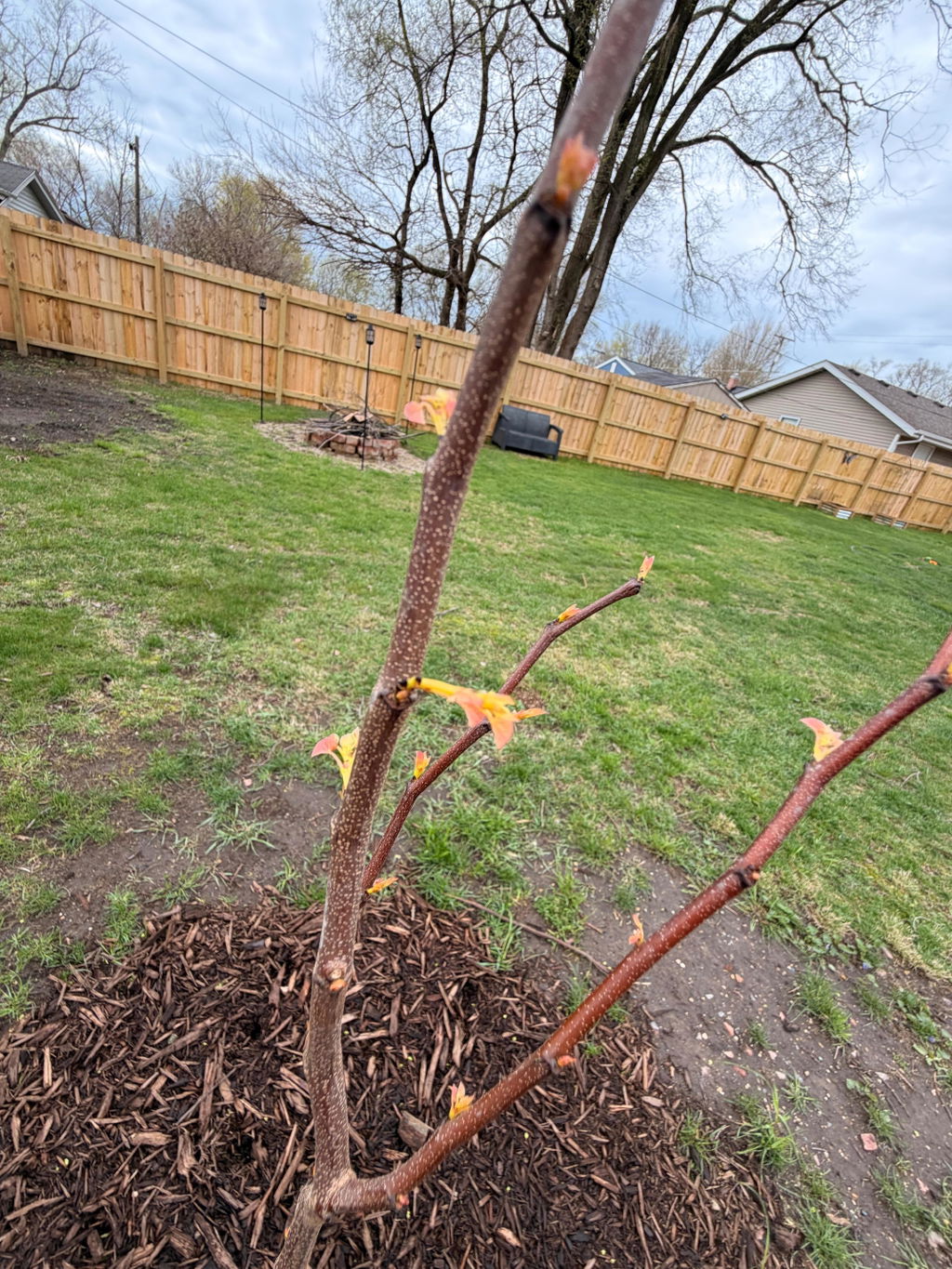
I love it. I was happily surprised by the size of this tree.
Leafing out beautifully.
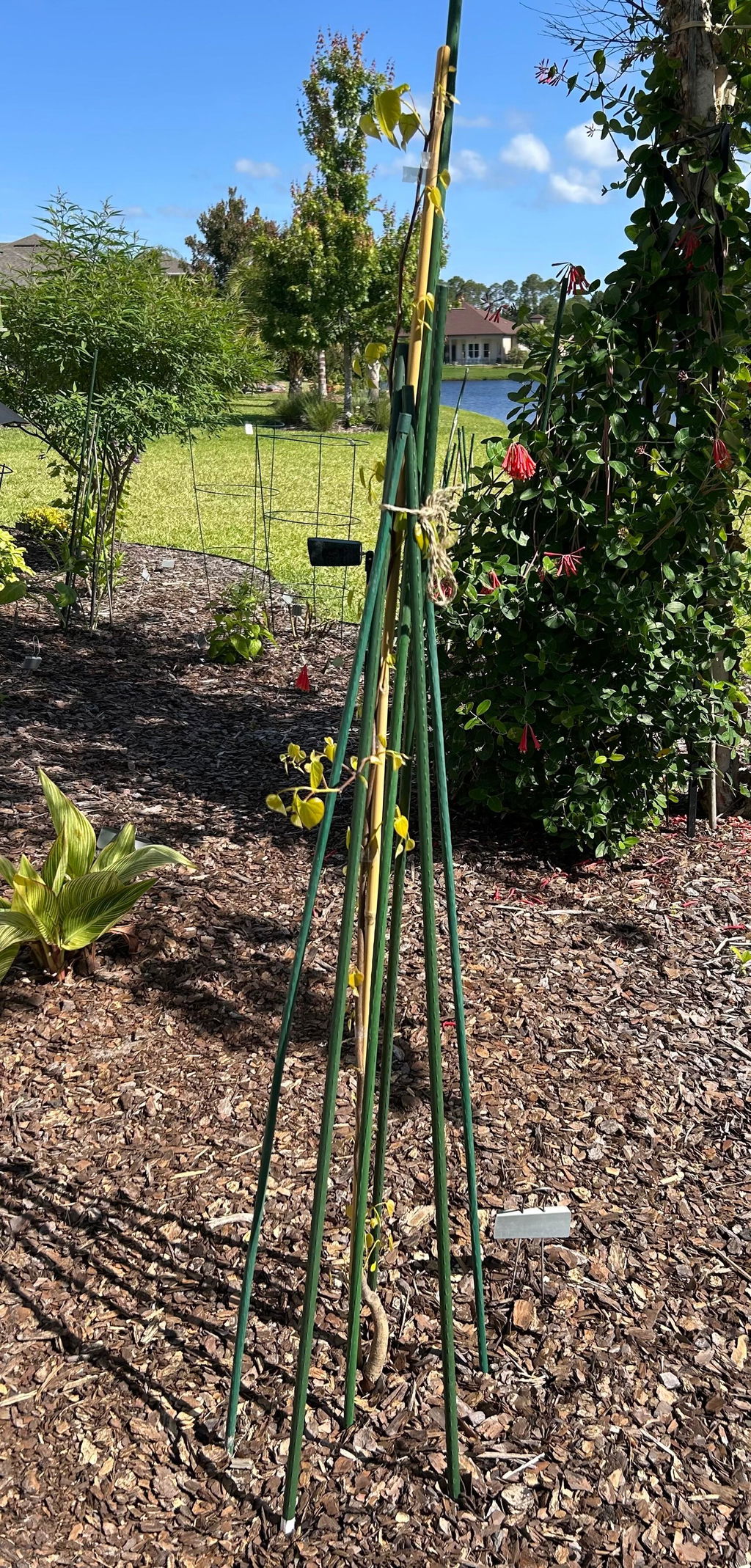
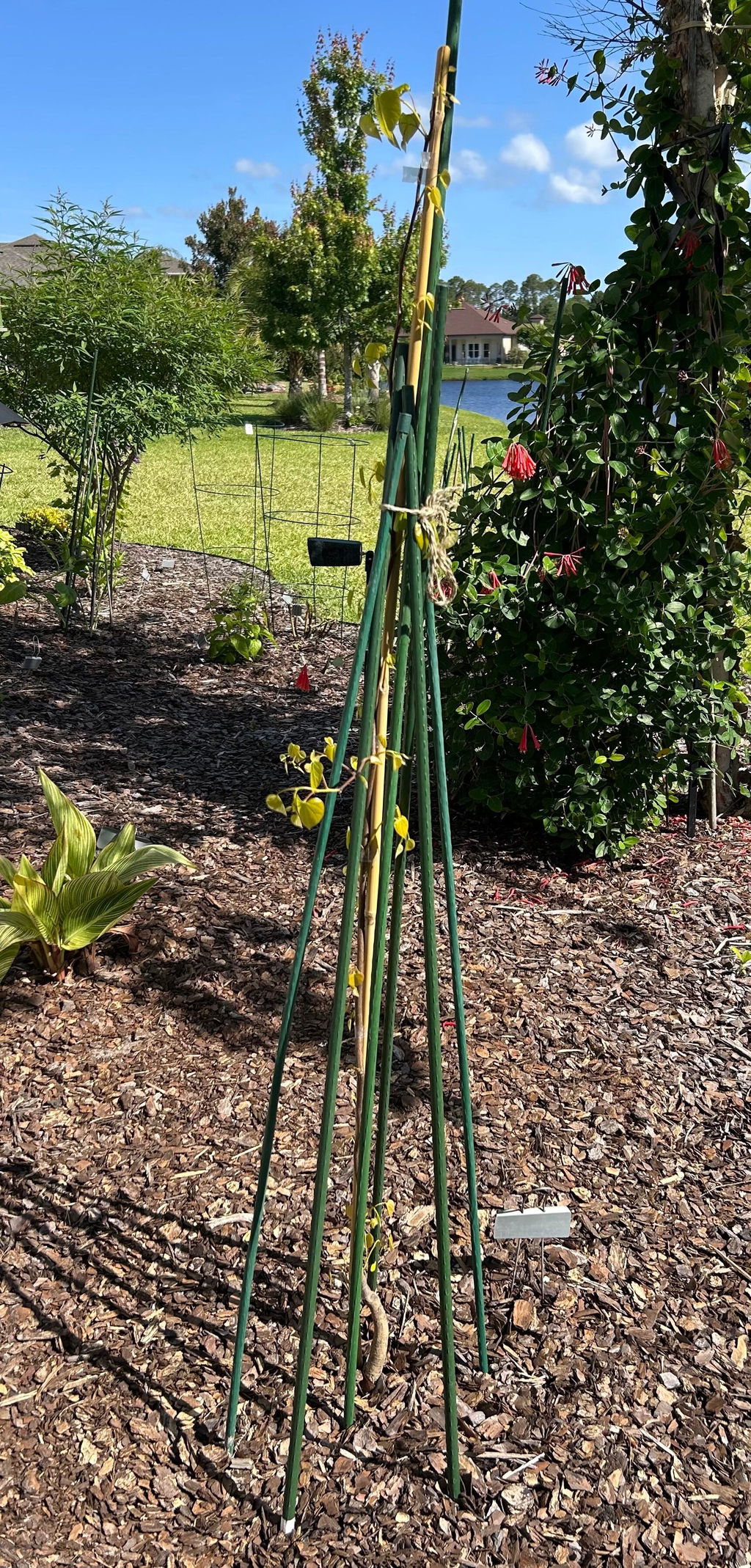
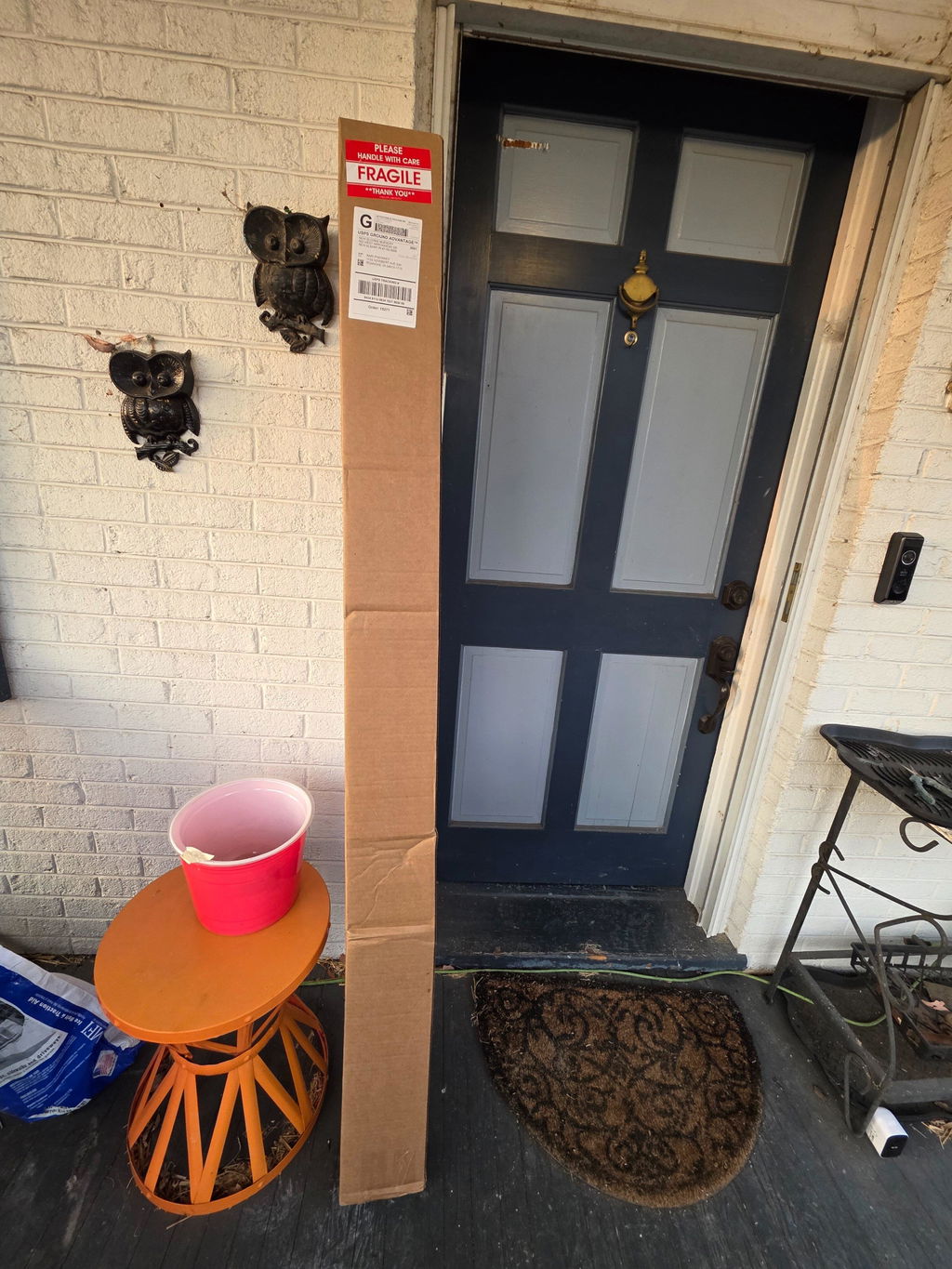
Tree arrived on time as promised. It was well packaged. A little disappointed that the tree that arrived was only a single thin stick with no branches. Looks like a Charlie Brown tree. We planted immediately upon receipt and only now observing leaf buds.it is actually too premature to write a fair product review, have to give it a few more weeks to see leaf/branch development progress. Our local nurseryman commented that if we are successful in getting this redbud to grow that we will have a beautiful tree. He said he would like to carry the Appalachian redbud but he cannot get them.
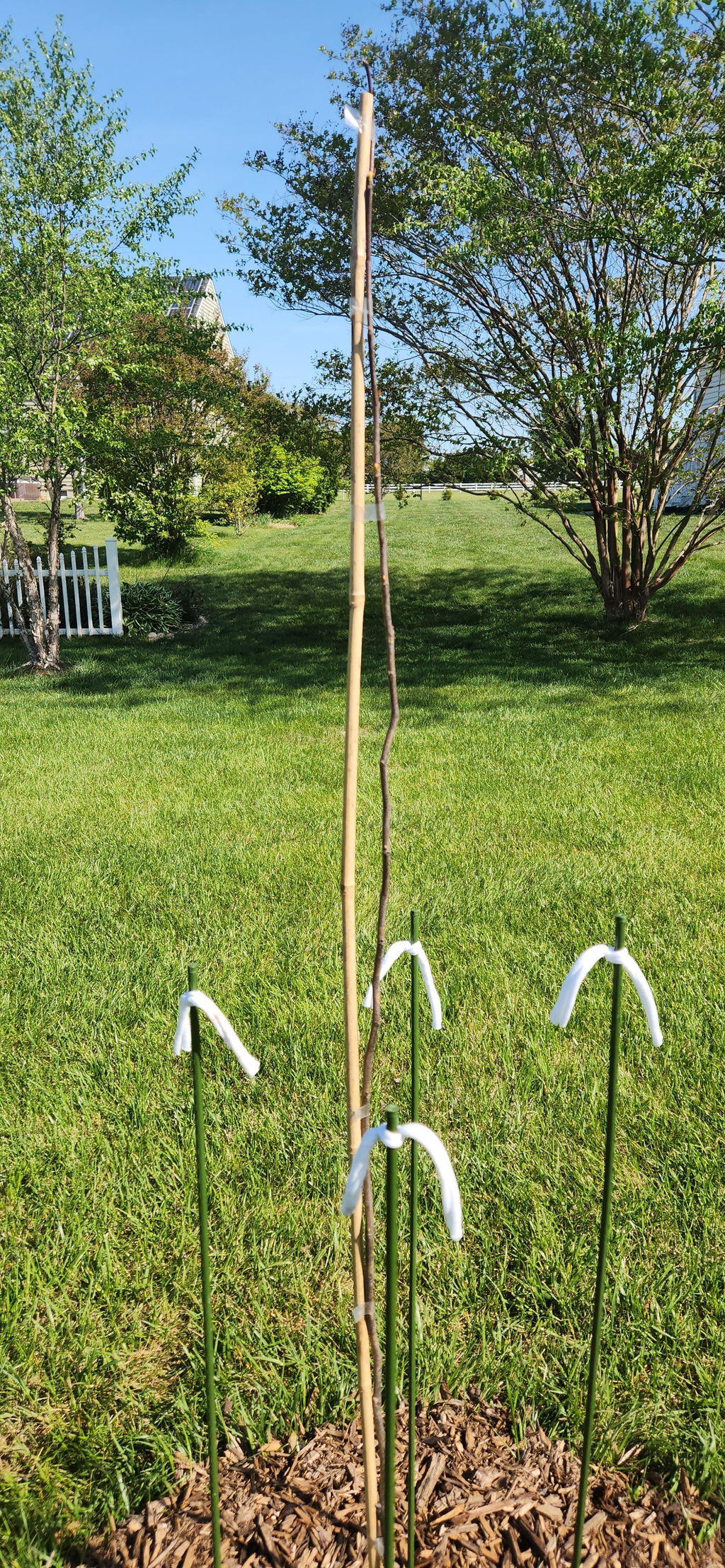
I was waiting to respond when I had more to share. The 4’ (stick) :-) was received and instructions followed for planting. I witnessed only a few buds and now, after more than a month in the ground, buds at every intersection of bend, are popping out, showing me it is alive and kicking. Awesomely cool tree, glad I saw it last year (2024) at Blandy experimental Farm here in Virginia. I also appreciate you adding my name to the contact list and actually following up!
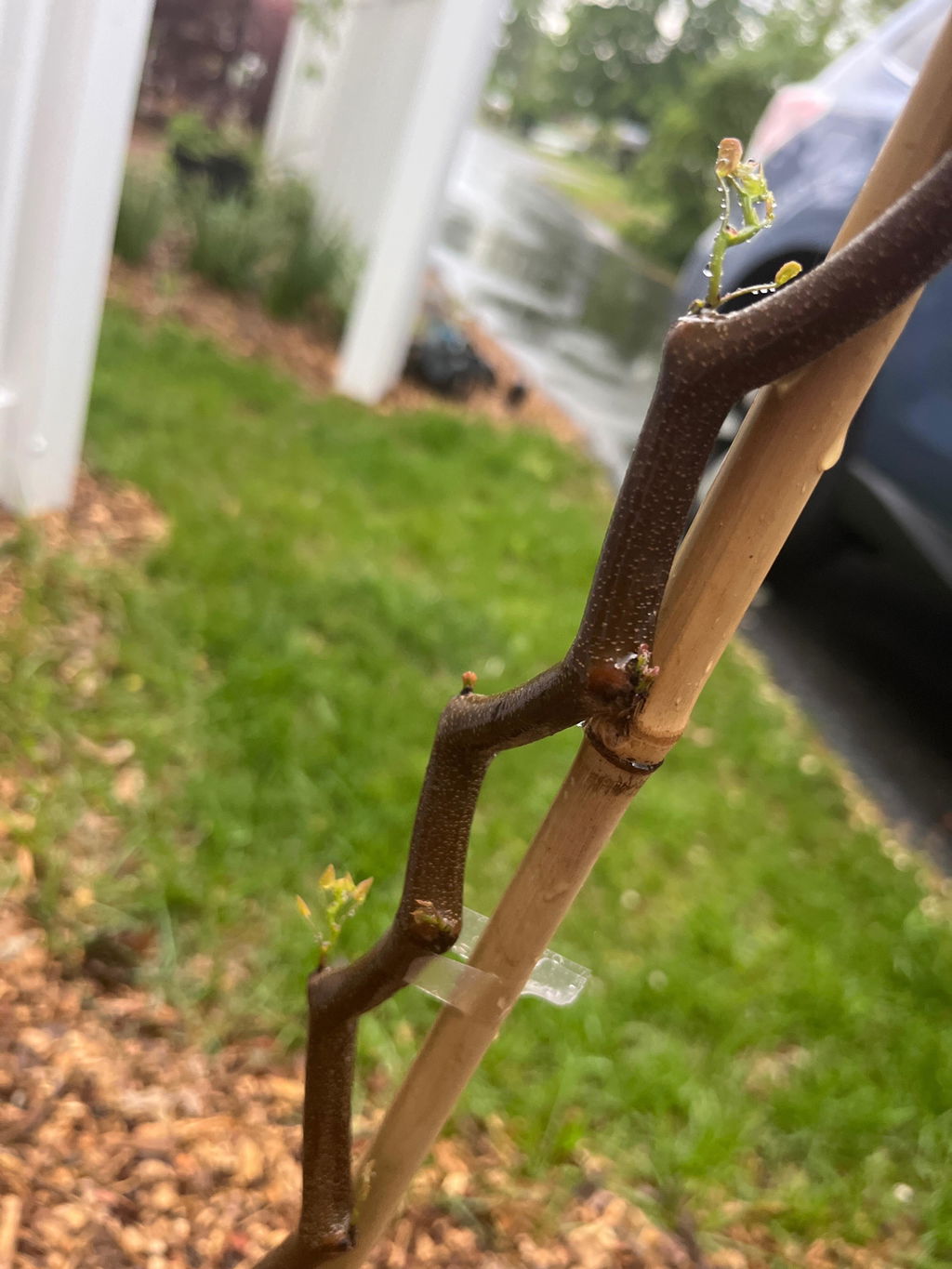
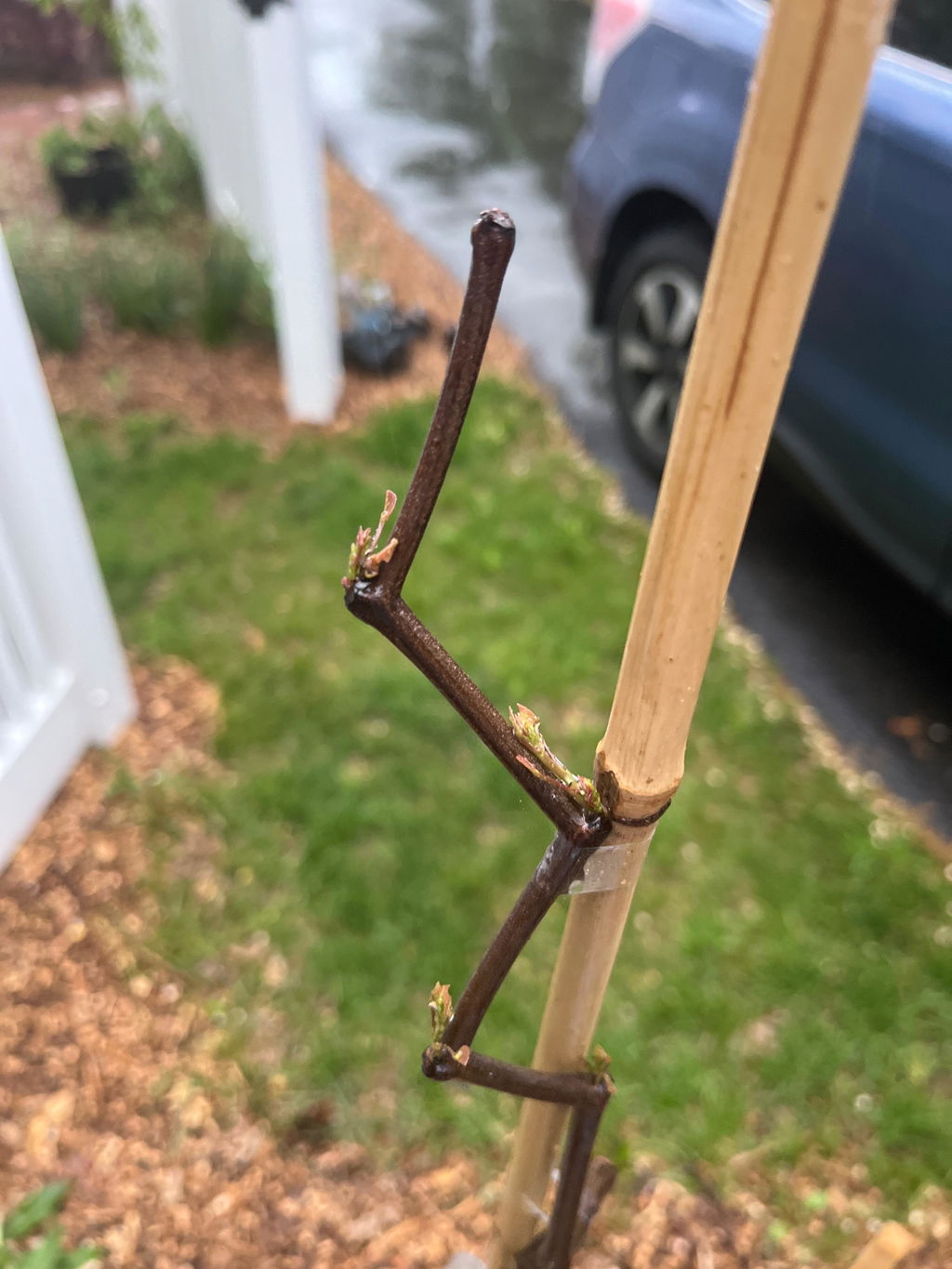
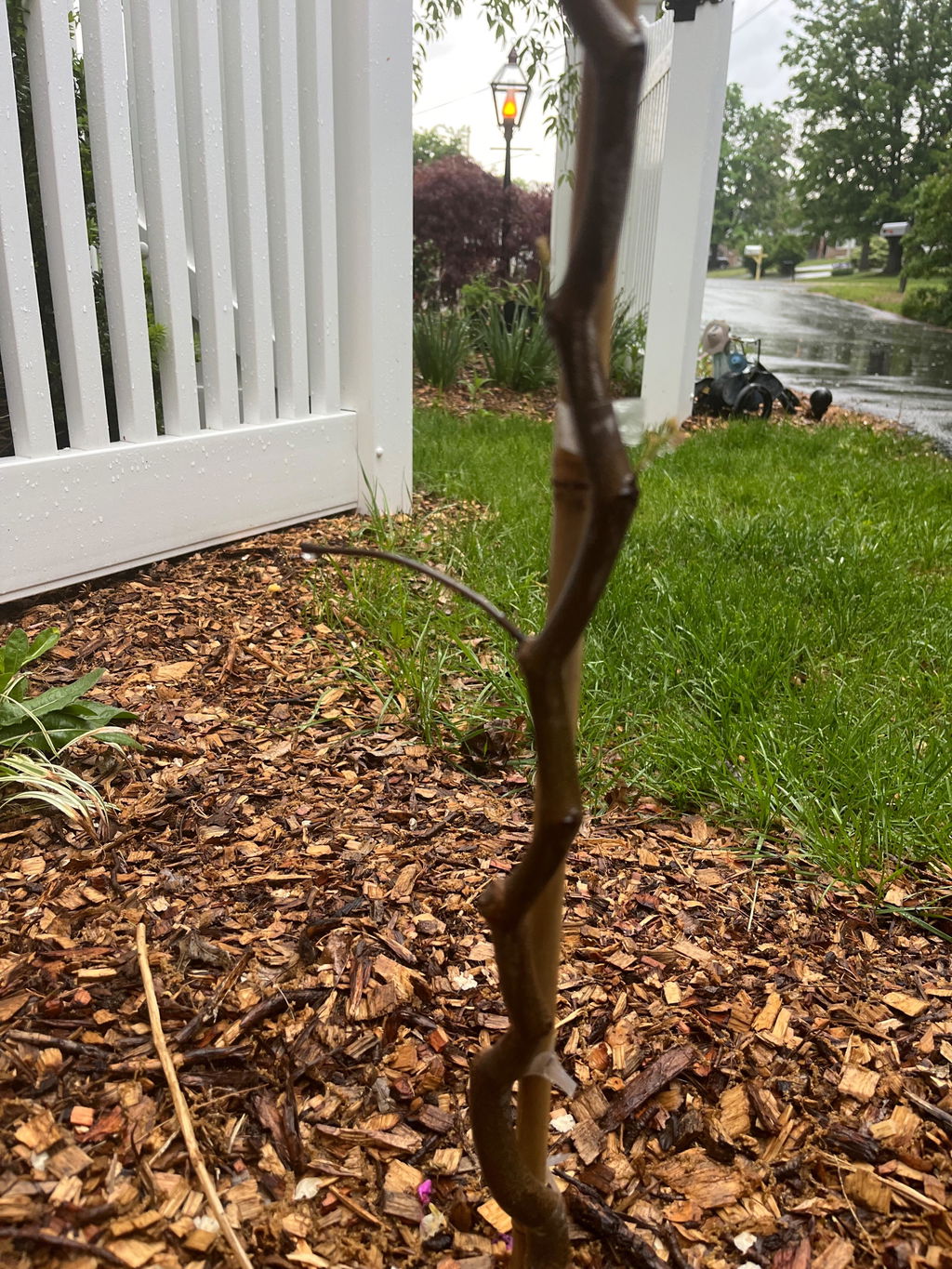
I received the “ stick“ of Heart’s Afire redbud the spring of 2024. To illustrate the beauty of this tree I have attached a couple of photos from this fall of this wonderful tree.
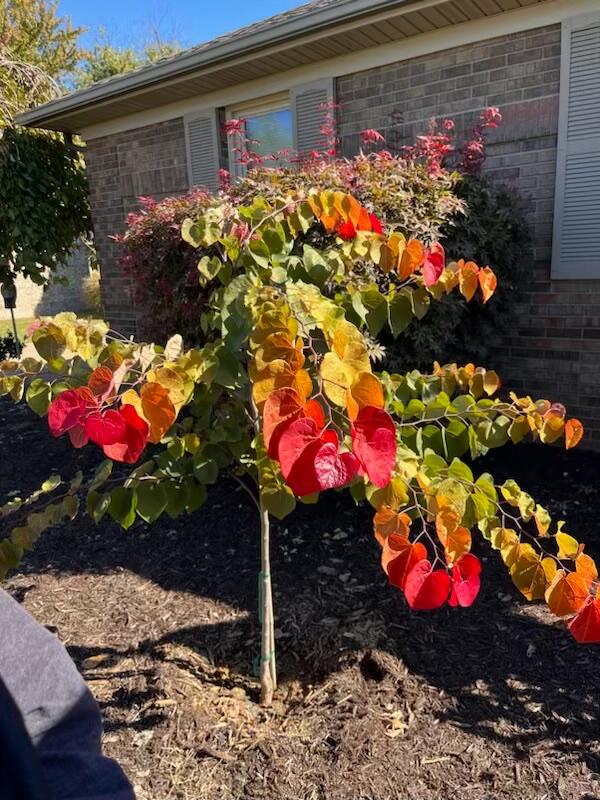
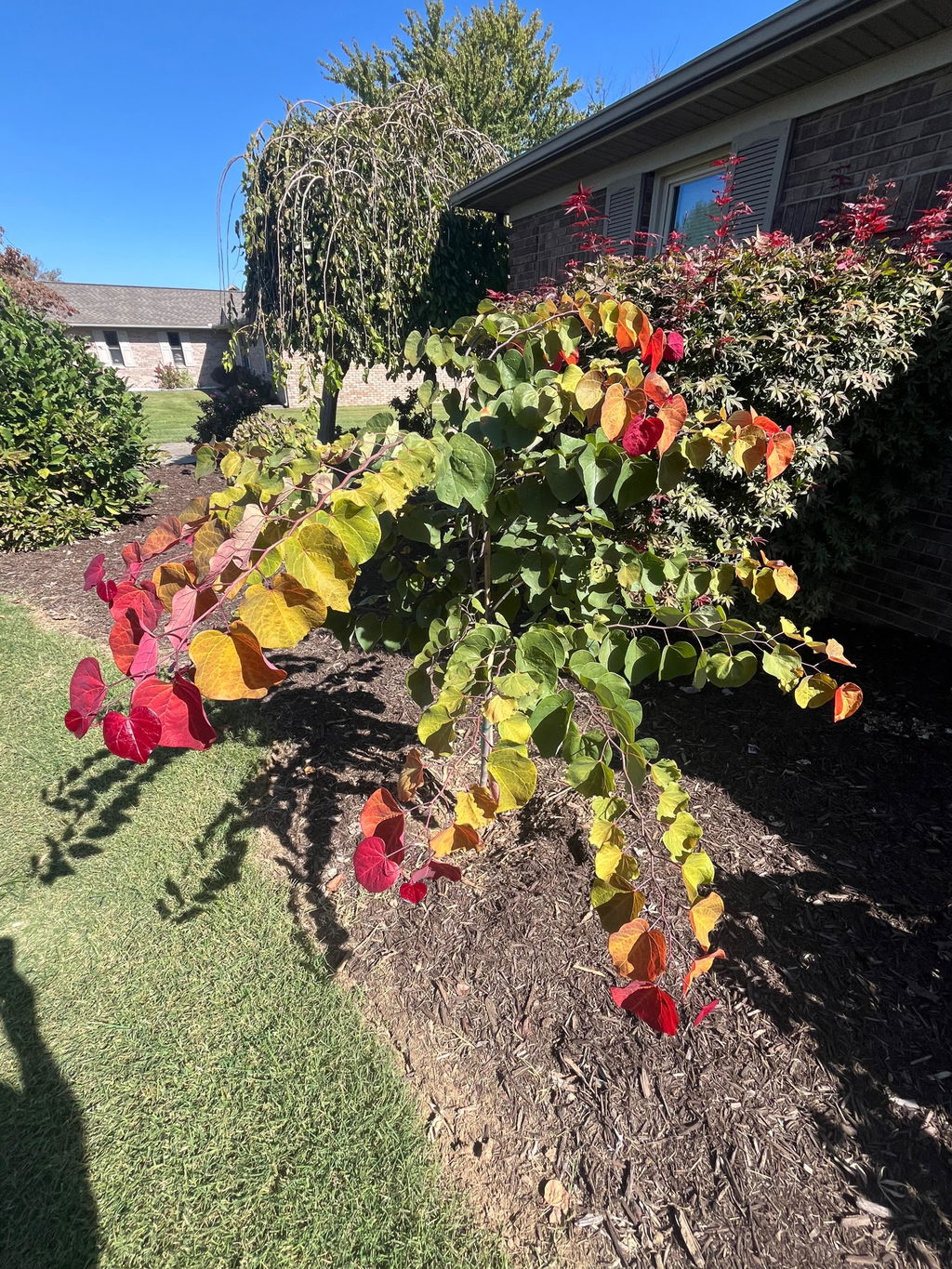
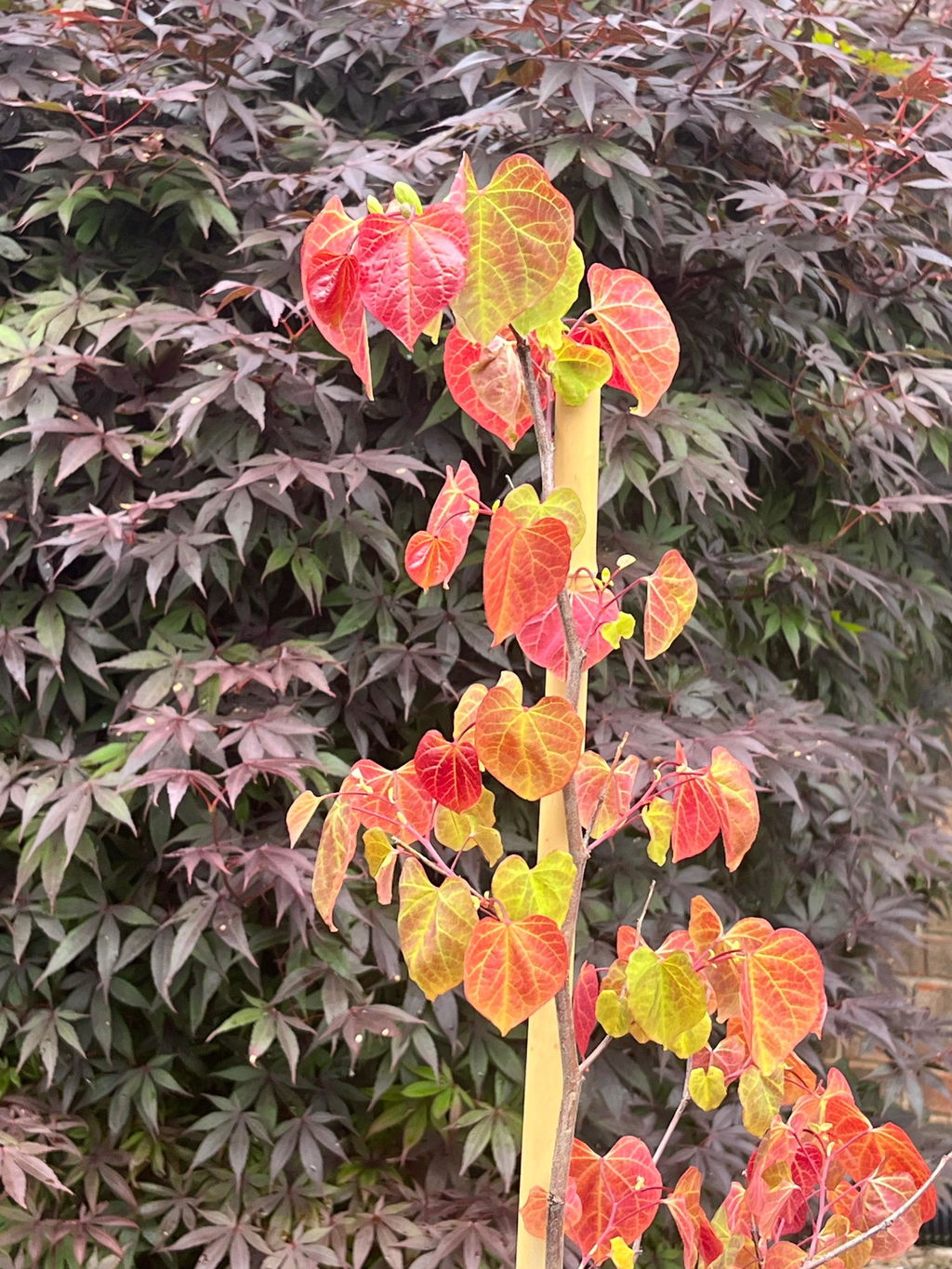
4 weeks
. Can wait til its full.highly recommended
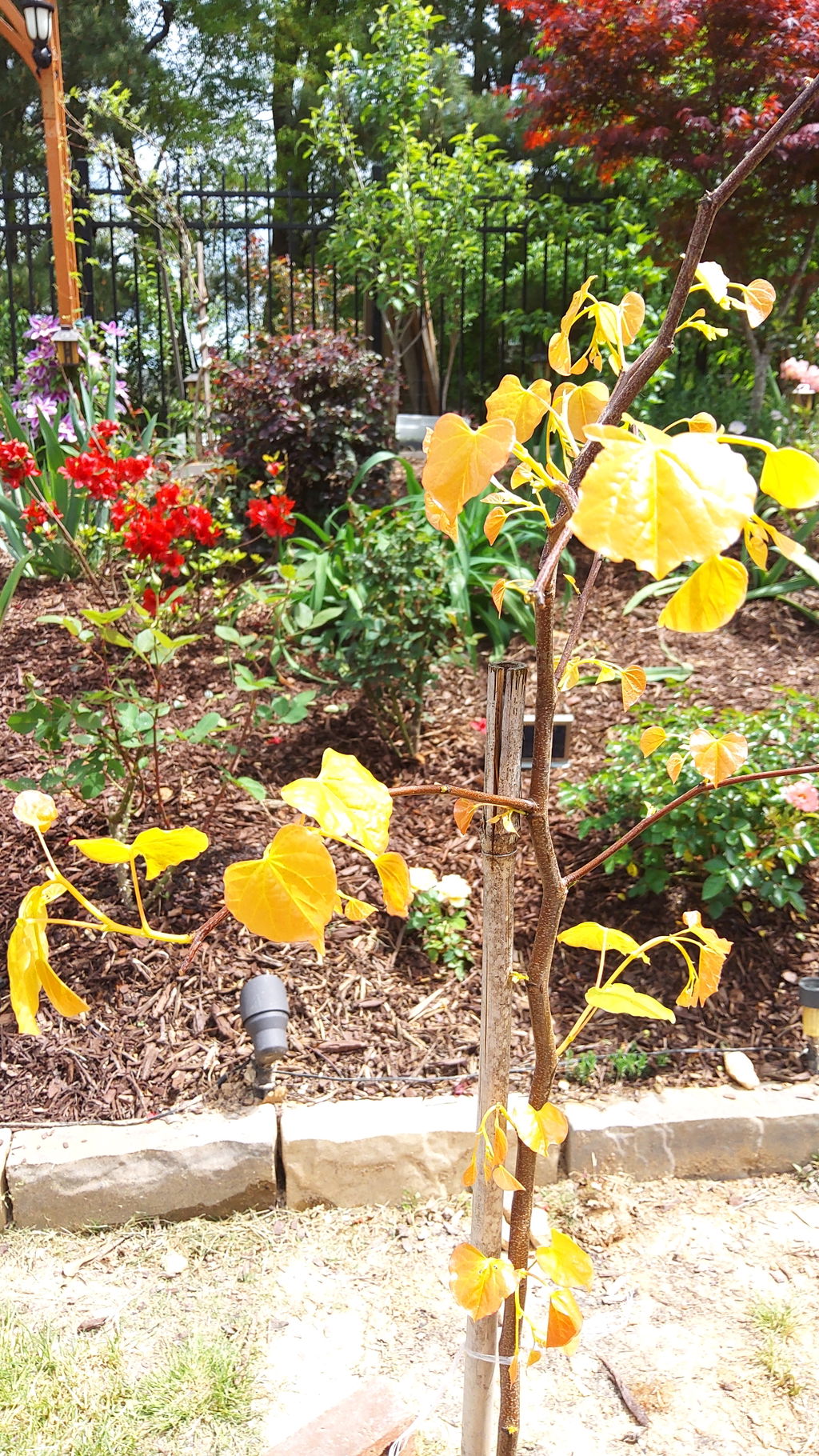
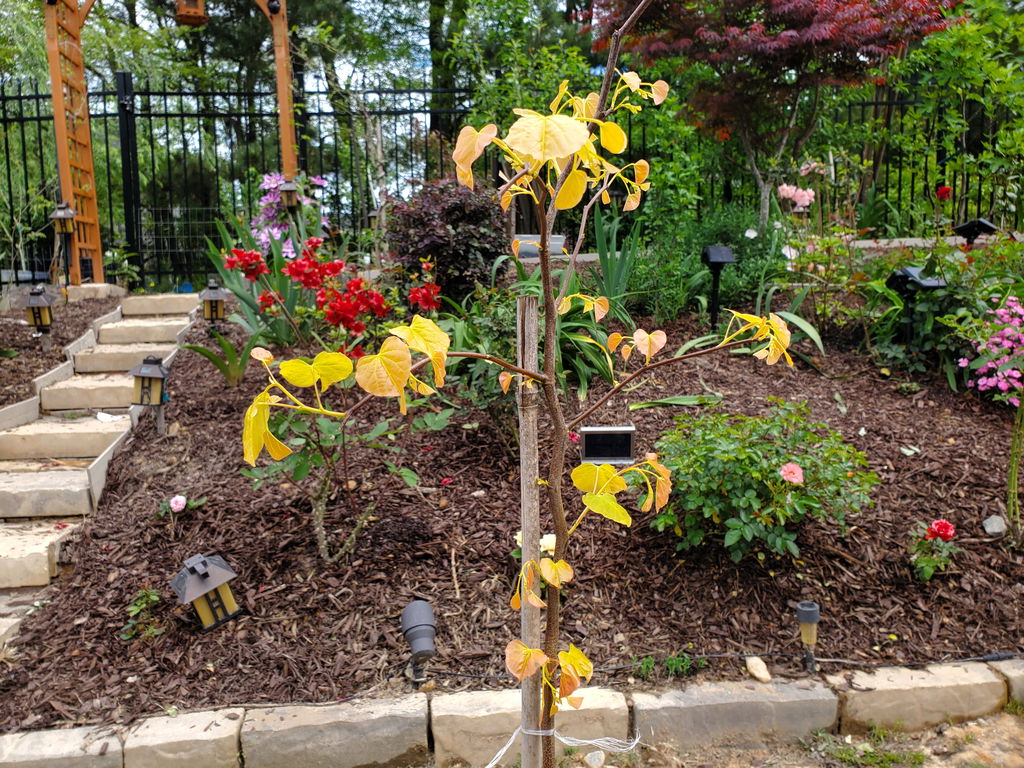
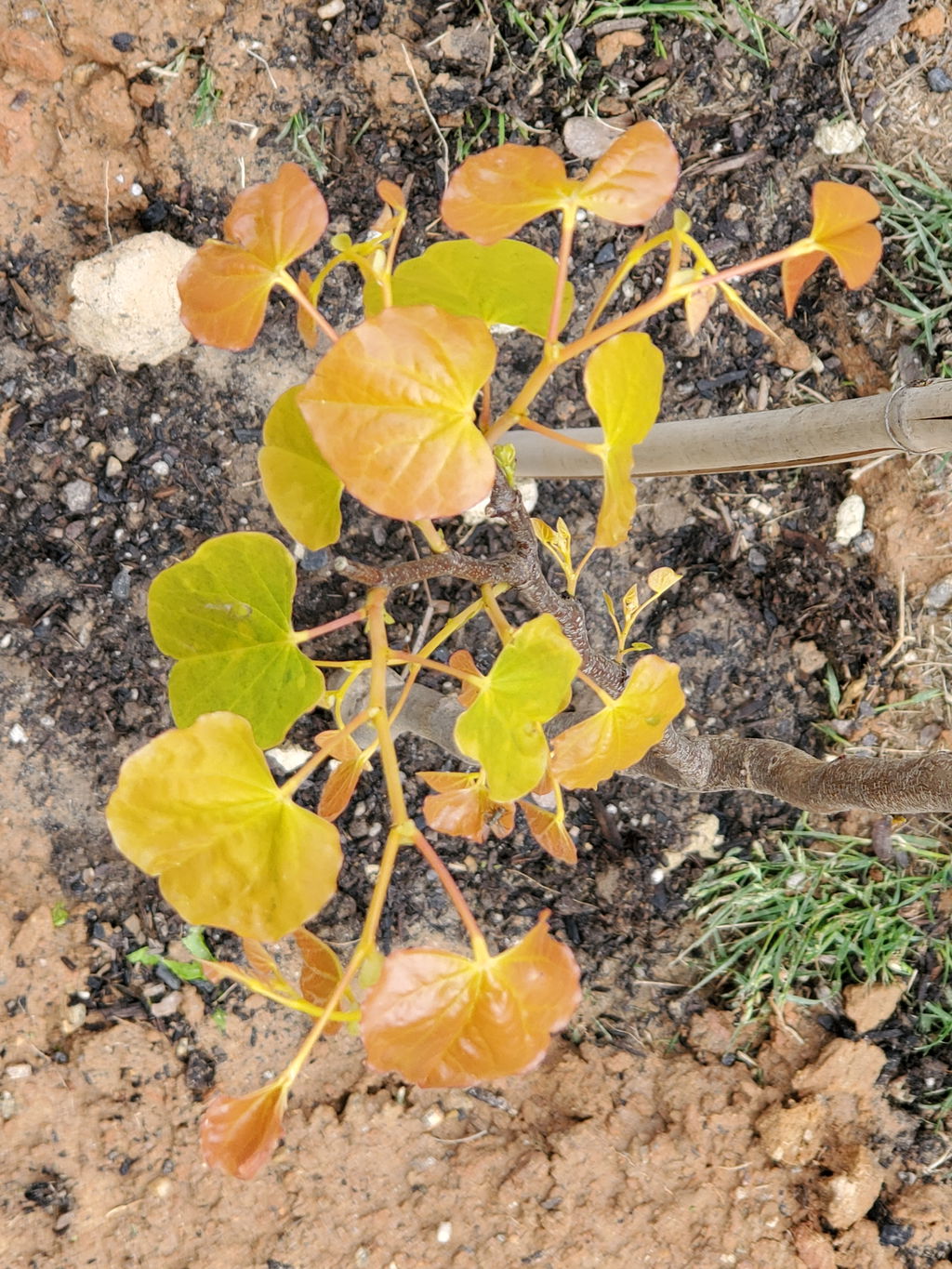
Highly rec. I got the flamethrower and rising sun. both shippped dormant. 4-5ft Arrived safely and quickly. Althougn pricey both are healthy Flamethrower picture at 4 weeks since recieved. Lots of time trees I get online come half dead not really dormant and I end up having to save the tree. Very happy with purchase wish I had brought other trees b4 they went out of stock. Will be back for more.
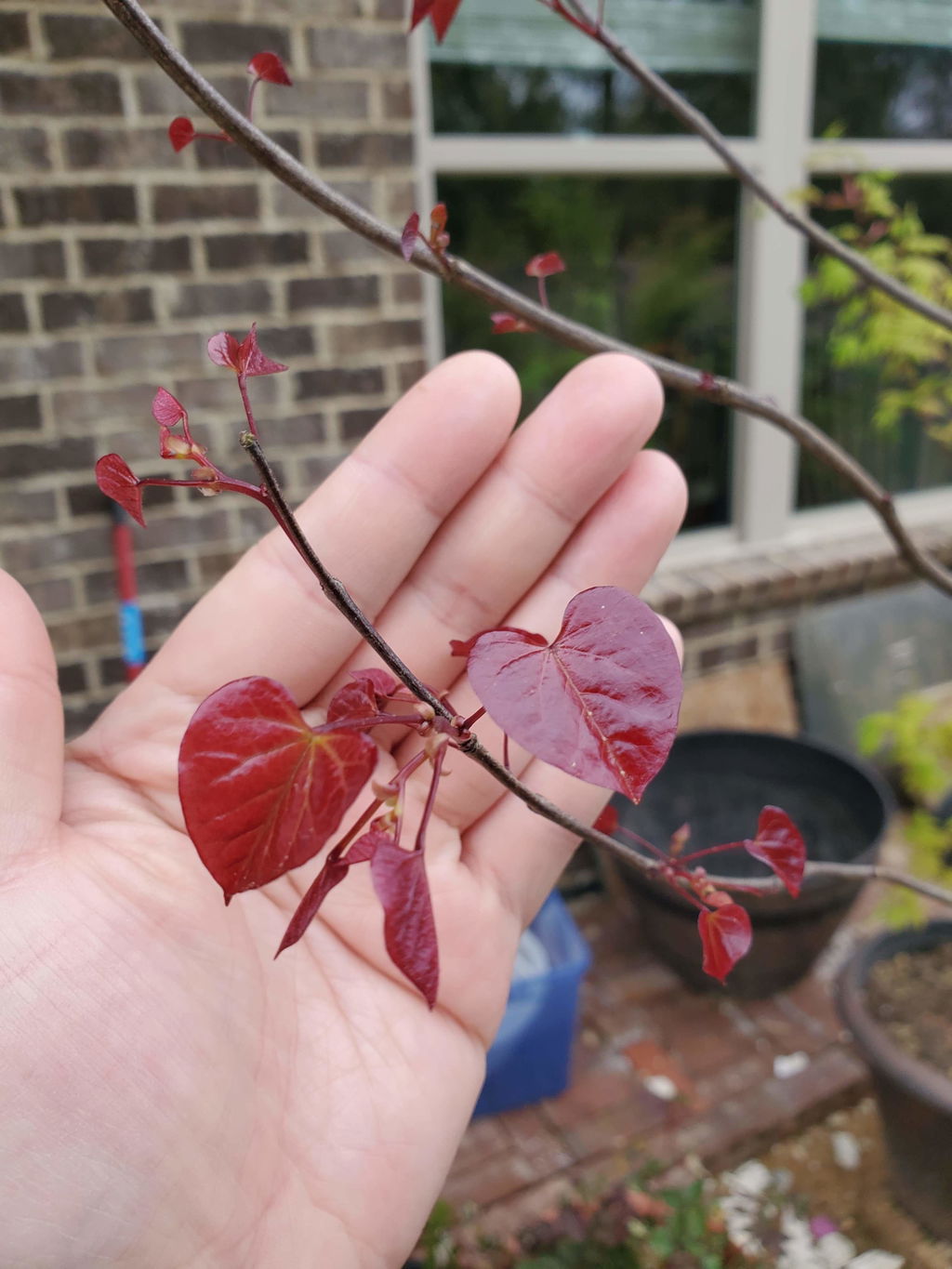
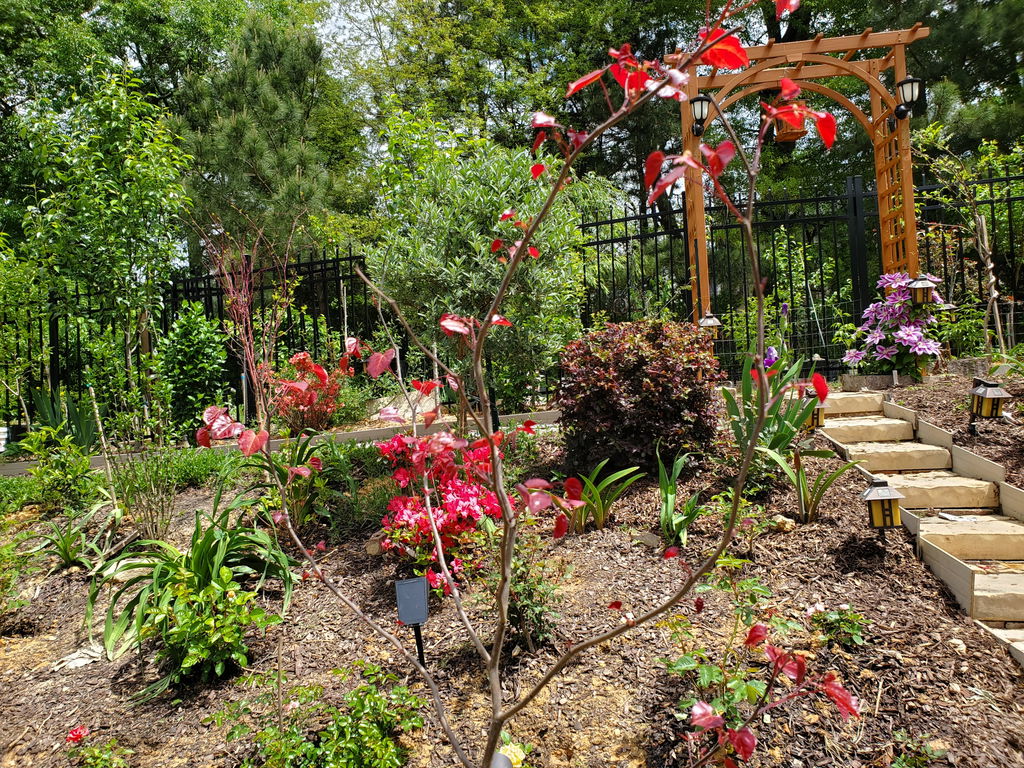
Arrived in good condition, 3 weeks since planted, tree has appropriate new growth and leaf development.. thank you New Blooms from Jeff and Ruth
Redbud tree
So excited about this little tree and watching it grow. Moving into a new home so for now it’s in a pot till we pick the perfect spot. The red leaves are beautiful and I look forward to watching it grow. Great customer service and packaging!!
I had this tree in the past but somebody backed over it. It made blooms and beautiful leaves yet this one has made many more blossoms. I will keep an eye on it to see if it fills in well
I ordered 3 trees, two redbuds and all three plants arrived in great shape. Planting instructions were also very helpful.
New Blooms is the real deal. They send me a terrific Rising Sun Eastern Redbud Tree, and it was quick to plant and started growing right away. I've been scammed before by plant and seed sellers in the past, but my experience with New Blooms was great. Would highly recommend them to ship you your next tree or plant.
Tree arrived in great shape. Already budding
This is a favorite! I was having trouble finding this tree at the local nurseries. My last one was run over during a car accident.
The tree arrived so well packaged, it took a few extra days to arrive and not this company’s fault. As Travis assured my tree arrived healthy, it’s planted in a safer area of my yard. You’ll be pleased! Perfect for a smaller yard too.
Personal service....quality tree and packaging and planting instructions..Will be a repeat customer
Ordered and tree died first year.
Hi Beth, We're sorry to hear your tree didn't make it. That's never the outcome we want. We offer a warranty on all of our trees, and we're always happy to work with customers when something isn't going right — but we do need to hear from you during that coverage window, which this is well beyond, so we can help.
We don't have a record of you reaching out to us about this tree. If you'd like to get in touch, we're happy to talk through what may have happened and help you have a better experience next time.
— Travis
The tree came in great condition and had a nice vase shape. It is staring to leaf out. Can’t wait to see it grow!
Very healthy and cool tree.
Ideal experience ..arrived well packed and in great condition. But best of all was their communication. I knew exactly what to expect and when
Tree was in very good shape.
When the tree finally showed up it appeared to be healthy. It spent 2 weeks in the mail going who knows where, but that’s on the USPS. I got quick responses when trying to find what was going on. It’s a much nicer tree than I expected. Can’t wait to see it when it gets leaves.
Shipped appropriately and arrived in good shape
We planted them the day they arrived but no blooms or leaves yet
Travis was very helpful with choosing my specific tree type. The price point for the tree was reasonable, and while it came dormant (this is normal, and I knew about it before I purchased the tree) it has "woken up" with in a few days of being planted. It is growing quickly, so I believe that it is healthy. Shipping was delayed a few days, but that is no fault of New Blooms. I highly recommend them for your plant needs.
Arrived in great condition and already has some buds
Tree is getting leaf buds after a couple weeks. I recommend New Blooms.